
By Austin Price, Social Media Director at H/L
as seen on Little Black Book online
Influencer marketing isn’t broken, but the way it’s been run for a long time is starting to show its limits.
Traditionally, it’s been simple. You find a creator, agree on deliverables, they post, and you move on. That model works on paper, but it doesn’t really match how social behaves anymore.
Things move too fast. You can spend weeks getting something approved, and by the time it goes live, the moment has already passed. Culture doesn’t wait for campaign timelines. And when everything is tightly scripted, it shows. It feels like an ad—because it is. The challenge now isn’t chasing trends, it’s building a structure that allows you to respond to them in real time without losing your point of view.
What we’re seeing now is that the brands getting better results are loosening that structure. Instead of treating influencer marketing like a one-off campaign, they’re building something more flexible that can learn as it goes.
A big part of that is how you think about creators.
The old model is transactional. You pay someone to make something, they deliver it, and that’s it. What’s working better now is treating creators more like long-term storytellers.
One way that shows up is in how campaigns start. Instead of going straight into contracts, you send out something like a PR box. No hard requirement—if they create something, great.
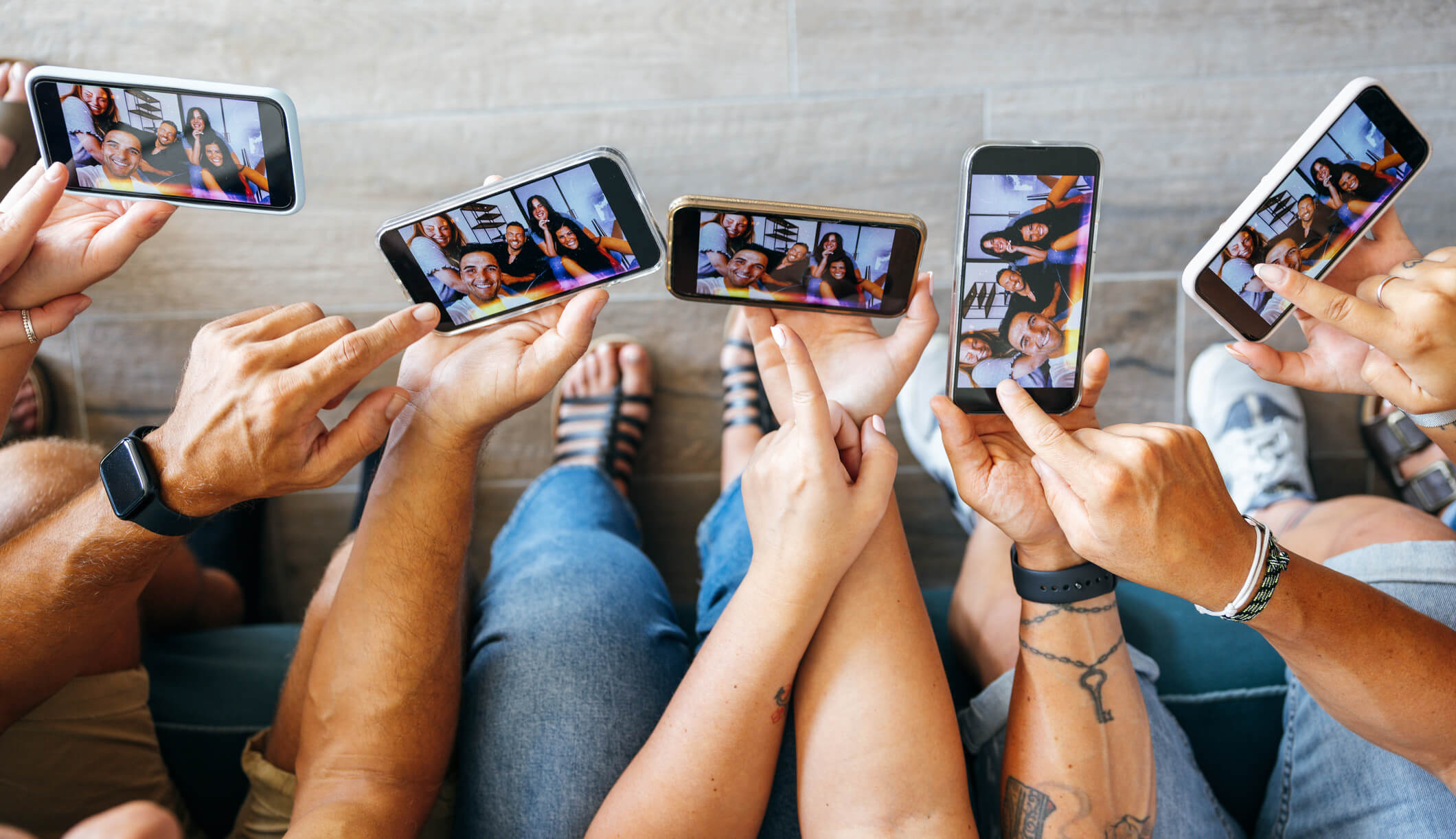
We’ve seen this work in practice. In a recent Lunar New Year campaign for Toyota, seeding packages at scale generated a wide range of organic content. It quickly surfaced which creators were genuinely engaged, understood the brand, and could create work that resonated. From there, we brought a select group deeper into the campaign—inviting them into a shared experience at the San Francisco Lunar New Year parade, where they could create in a more meaningful, culturally grounded way.
That actually gives you a lot more signal. You see who’s interested, who gets the brand, and who makes content that people respond to. It becomes a kind of audition process.
From there, you go deeper with the right people. You’re not guessing upfront—you’re building off what actually worked.
The same thinking applies to the campaign itself.
Instead of launching everything at once, campaigns roll out in waves. The first wave is about getting content out and seeing what happens. What are people responding to? What are they ignoring?
We’re seeing this play out in larger campaigns as well. For example, structuring a campaign across multiple waves of creators—starting broad, then refining into more targeted or higher-profile talent—allows the work to evolve based on what’s actually resonating in-market.
Then you take those learnings into the next wave. By the time you get further in, you’re not operating on assumptions anymore—you’ve already seen what resonates.
That’s the shift. Social stops being just a distribution channel and becomes a testing ground—a place to identify what resonates and then scale it across the rest of the ecosystem. The strongest ideas don’t stay on social; they extend into paid media, programmatic, and CTV with a consistency that’s already been validated
The other big piece is what happens after the content is created.
In the old model, a post was just a post. Now, if something works, we build it out. We cut it into different formats, adapt it, and run it across social, programmatic, and even CTV. One piece of content can turn into multiple assets.
We’ve tested this with campaigns where creator content is repurposed into paid media, and the difference is noticeable. Because the content starts in a creator’s voice, it holds attention in a way more traditional ad creative often doesn’t.
It’s closer to product placement than a traditional ad.
All of this also changes where creative control sits.
It’s less about locking everything upfront and more about making decisions along the way—who you work with, what you scale, what you ignore.
That requires a different level of trust, both with creators and with clients. Not everything is predictable, and not every organisation is set up to work like that yet.
But when it works, it works because it’s aligned with how people actually engage now.
Because at the end of the day, this is about keeping up with how people actually engage with content now.
Influencer marketing is moving in that direction—less rigid, less transactional, more adaptive.
The brands that figure it out are the ones that connect with culture and communities in a way that feels real. They build relationships that extend beyond a single campaign, where people stay engaged over time and feel a sense of ownership in the brand. It becomes something they participate in, not something they’re being sold to.
People feel like they’re part of something, shaping it alongside the brand.
That’s what lasts.